
Truth be told I didn’t really choose to be a part of the health and wellness sector of our economy, but in many respects, health and wellness chose me. First, upon co-founding Traktion Partners after a twenty-year corporate career in retail e-commerce, many of the early opportunities that came our way were in the health sector, which only accelerated after the pandemic in 2020. Second, a health scare in 2021 changed many things about how I managed my own personal health, from exercise and diet to mindful drinking, and everything in between. Third, I turned fifty and was forced to confront the realities of aging, including the fact that there are more Americans reaching their sixties at the same time than ever before (estimates suggest a staggering 1 in 5 will be at least 65 by 2030). How we prepare for that reality today will determine how comfortable getting older will be for all of us tomorrow. It’s no longer a hypothetical.
But my interest in health isn’t just a personal preoccupation, nor should it be. The societal challenges we face around health and wellness are too significant: a workforce staying active well into its sixties and seventies, a healthcare system still predominantly built to treat sickness rather than sustain wellbeing, and a generation of caregivers stretched between aging parents and raising their own kids (felt most acutely by my fellow Gen Xers now), often at the same time.
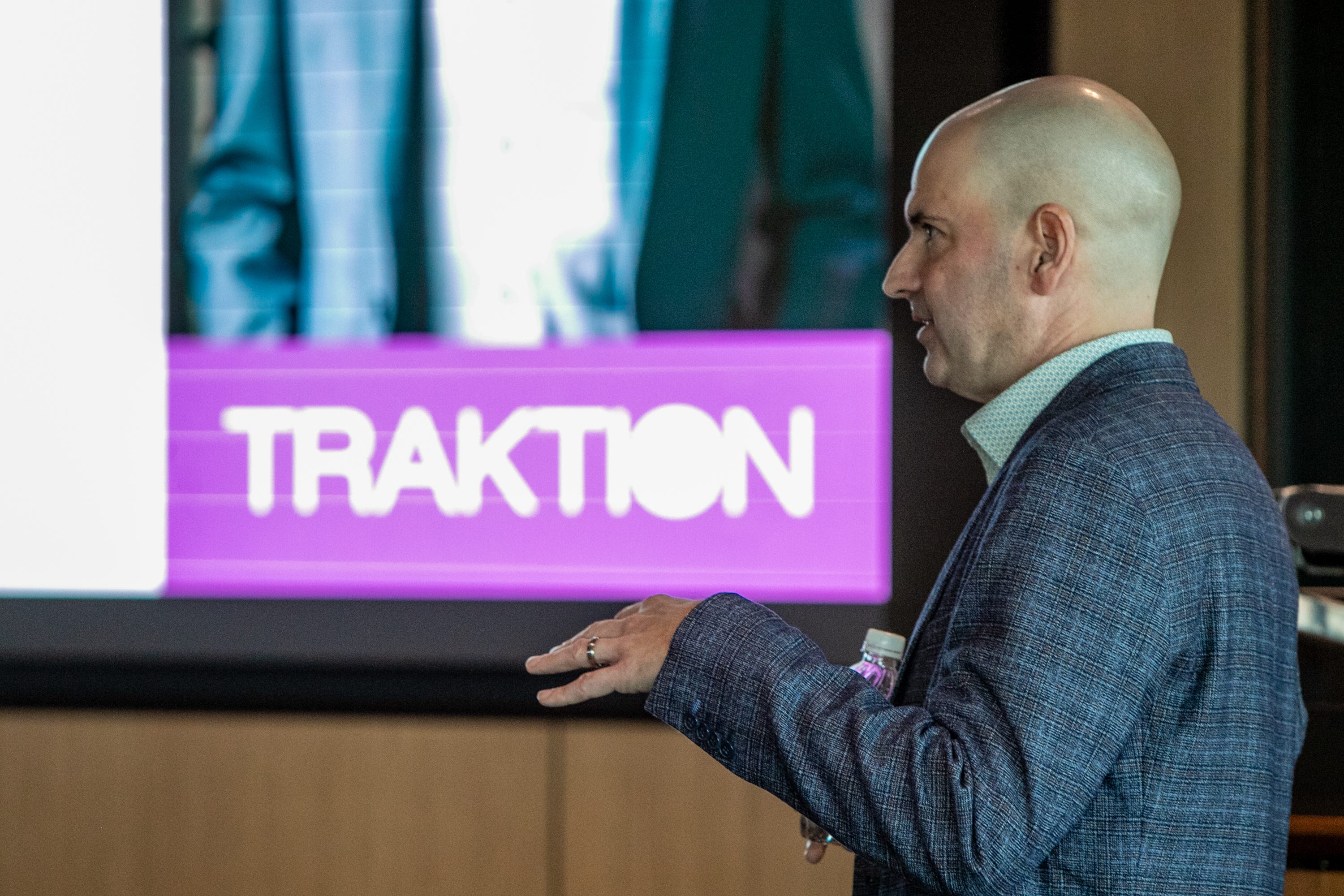
Shortly after the pandemic ended I began mentoring students at The Hatchery, Emory Center For Innovation, the entrepreneurship hub for the Atlanta-based university that’s located just a few miles from where I live in Decatur. At first I would take part in “Lunch and Learn” events, sharing lessons from our work at Traktion. Those talks led to being asked to lead Skills Builder Workshops with larger groups, eventually serving as an Innovator-In-Residence for the University’s Accelerator program. Those experiences taught me that I love being close to innovation, and if the students I’ve been able to meet are any indication, the future of work and innovation is in great hands. The founders and innovators working in this space aren’t chasing trends, but are building the infrastructure for how we’ll live longer, healthier, and more capably than the generations before us. This impacts how we eat and move, how we access proper care, and how we manage the little stuff long before it becomes the urgent stuff. That’s not a problem that is specific to any one generation, but touches everyone, whether they realize it or not.
I have reached a point in my professional life where I am focused not only on what I still hope to accomplish, but also on where to find fulfillment in my next phase. Transition can be a little bit unsettling at times in the messy middle, with one foot on the gas pedal, and a side eye on the exit door that suddenly doesn’t feel as far away as it once did. In that sense, finding purpose in the rapidly-transforming health space feels like the perfect spot to double down on each of those goals.